
Competitive gap analysis
We look at the pages already surfacing for target searches and identify the content, authority and technical gaps that matter.
SEO and digital marketing for Bristol businesses competing for high-intent search traffic in a busy regional market.
South West digital support for Bristol brands that need more than a generic agency package.
Bristol has a large and competitive digital market, which means strong search results are usually backed by dedicated service pages, location relevance, authority and technically clean websites. Thin pages rarely hold up against established competitors.
We build a connected search strategy: technically sound pages, clear topic clusters, useful location content, strong internal links, evidence from real work and conversion-focused UX once visitors land on the site.
Bristol has a strong creative, technology, professional-services and ecommerce scene. That makes the quality bar high: businesses are often being compared with well-designed competitors, specialist agencies and brands that already invest heavily in digital.
Anivize is a Newport-based agency working with businesses across South Wales and the South West, including Bristol. We do not pretend to have a Bristol office; the value is a direct senior relationship and joined-up work across web, ecommerce, search, creative and automation.
We look at the pages already surfacing for target searches and identify the content, authority and technical gaps that matter.
Location relevance is built through useful content and consistent business signals, not by stuffing city names into every paragraph.
Service pages, case studies and supporting resources are connected into topic clusters that build depth over time.
When technical or UX problems are holding the site back, we can fix the code and page experience directly.
SEO works when technical foundations, useful content, internal architecture, authority and conversion all support the same commercial goals. We prioritise the work most likely to move qualified search traffic forward.
Indexability, crawl paths, canonical URLs, metadata, headings, structured data, redirects, performance and template issues are reviewed and prioritised.
We group related searches around the right page instead of creating a thin page for every keyword variation.
Location relevance, local landing pages, internal links, business information, citations and local authority signals are strengthened where appropriate.
Commercial pages are expanded around what customers actually need to know before making contact.
Supporting articles, guides, case studies and FAQs build topical depth and create more useful internal-link opportunities.
We use rankings, clicks, impressions, enquiries and conversion behaviour to decide what to improve next rather than chasing vanity metrics.
You work directly with people doing the thinking and delivery. The exact stages flex around the project, but the principle stays the same: get the commercial requirement clear, build carefully, test properly and keep improving.
We establish what is indexed, what already ranks, where demand exists and which pages are currently competing for the same searches.
Technical issues, metadata, page architecture and internal linking are addressed before scaling content.
Core service pages, local pages and supporting content are strengthened around real search intent and customer questions.
Case studies, useful assets, local citations and relevant outreach support trust and topical authority.
We monitor visibility and lead quality, then improve pages that have the strongest opportunity to move.
Most Bristol projects can run efficiently through video calls and shared delivery tools, with in-person sessions arranged when the scope makes that worthwhile.
For companies that need to be found when customers search for a service in their area.
For websites with content and history but weak structure, technical debt or poor page targeting.
For teams that want SEO planned into the migration rather than repaired after launch.
For stores that need stronger collection architecture, product discoverability, content and technical hygiene.
We would rather show the kind of problems we work on than fill a page with invented awards or vague claims. These are examples of the practical digital work behind Anivize.
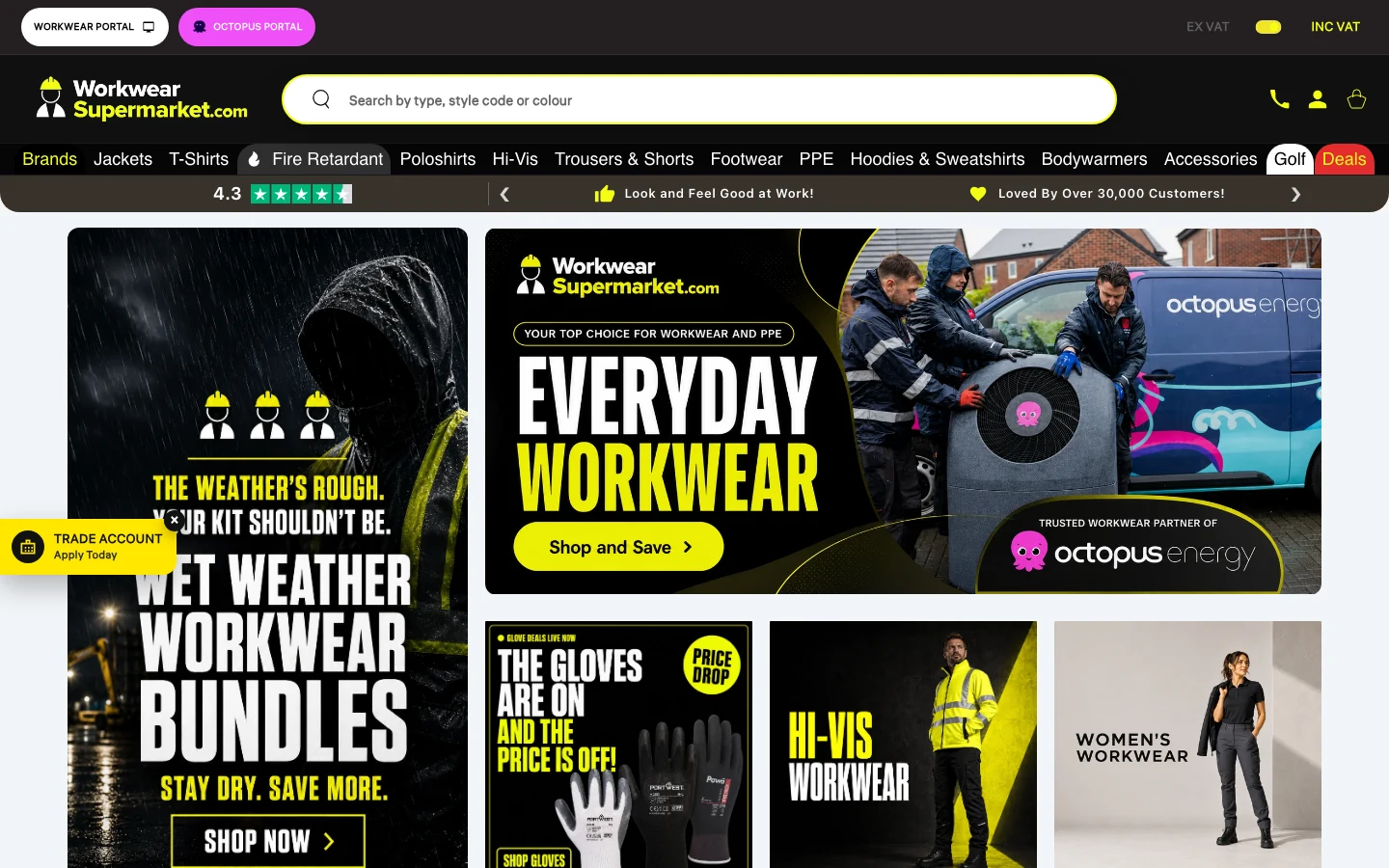
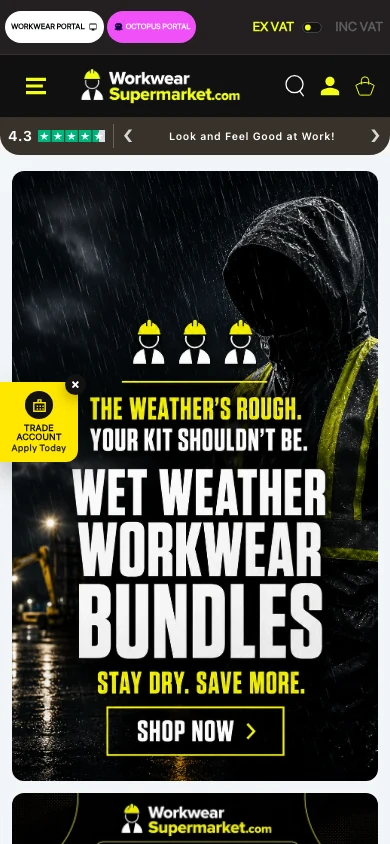
Work includes crawlable collection architecture, metadata, schema, internal linking, product templates and technical cleanup alongside conversion-focused development.
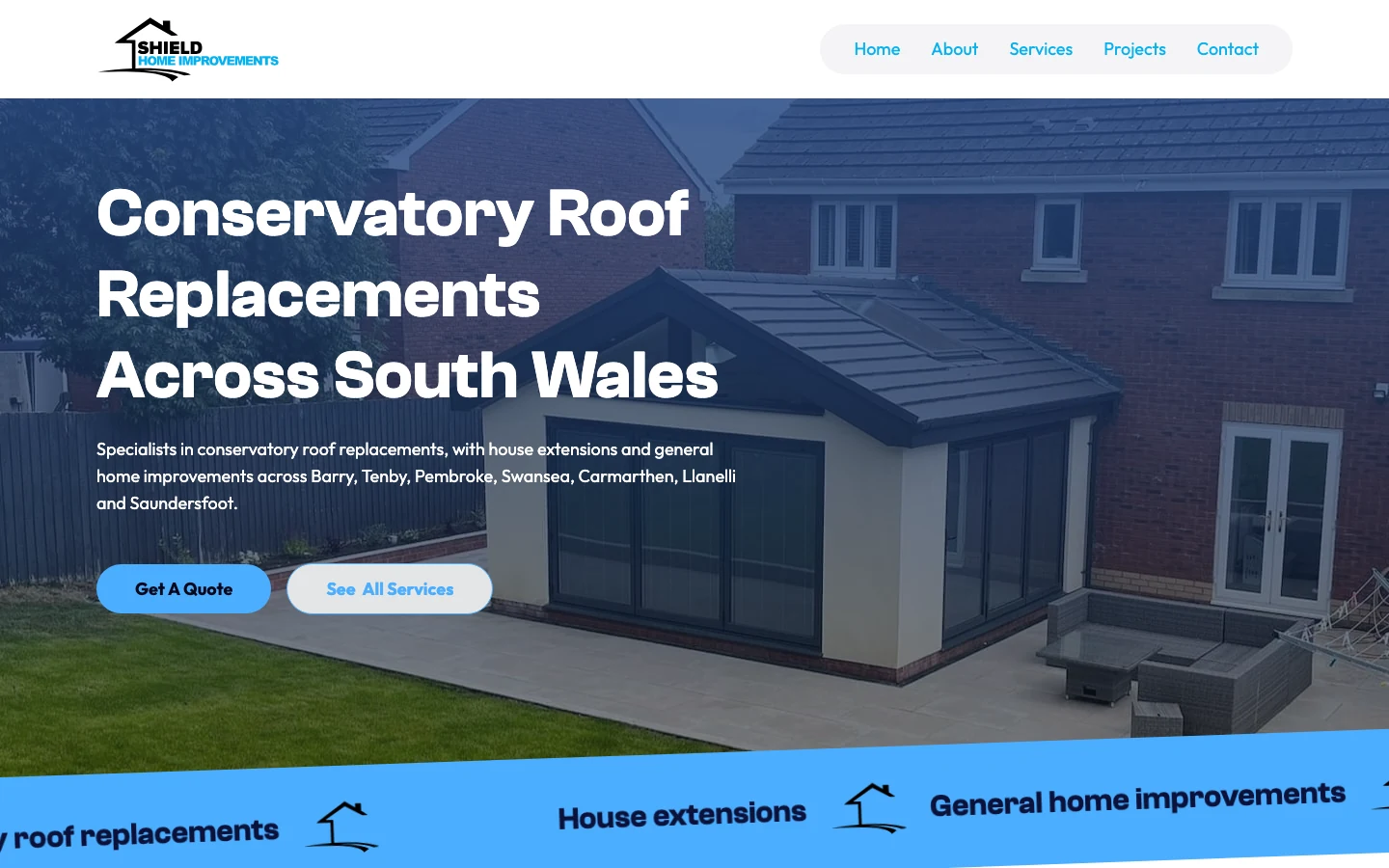
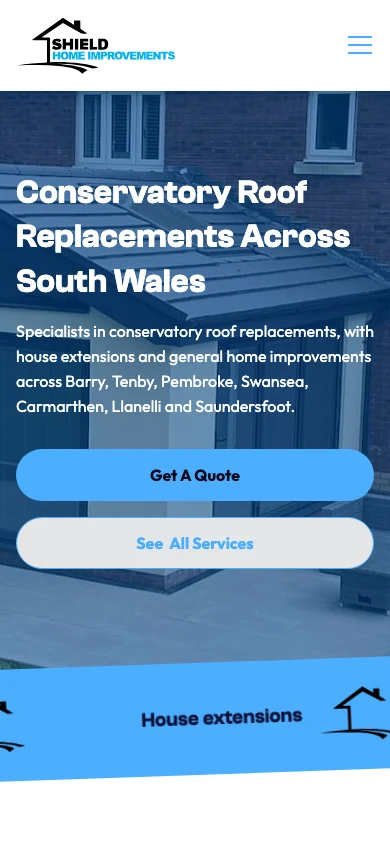
The project focuses the site around core services, useful area coverage and enquiry journeys rather than a broad list of disconnected offerings.
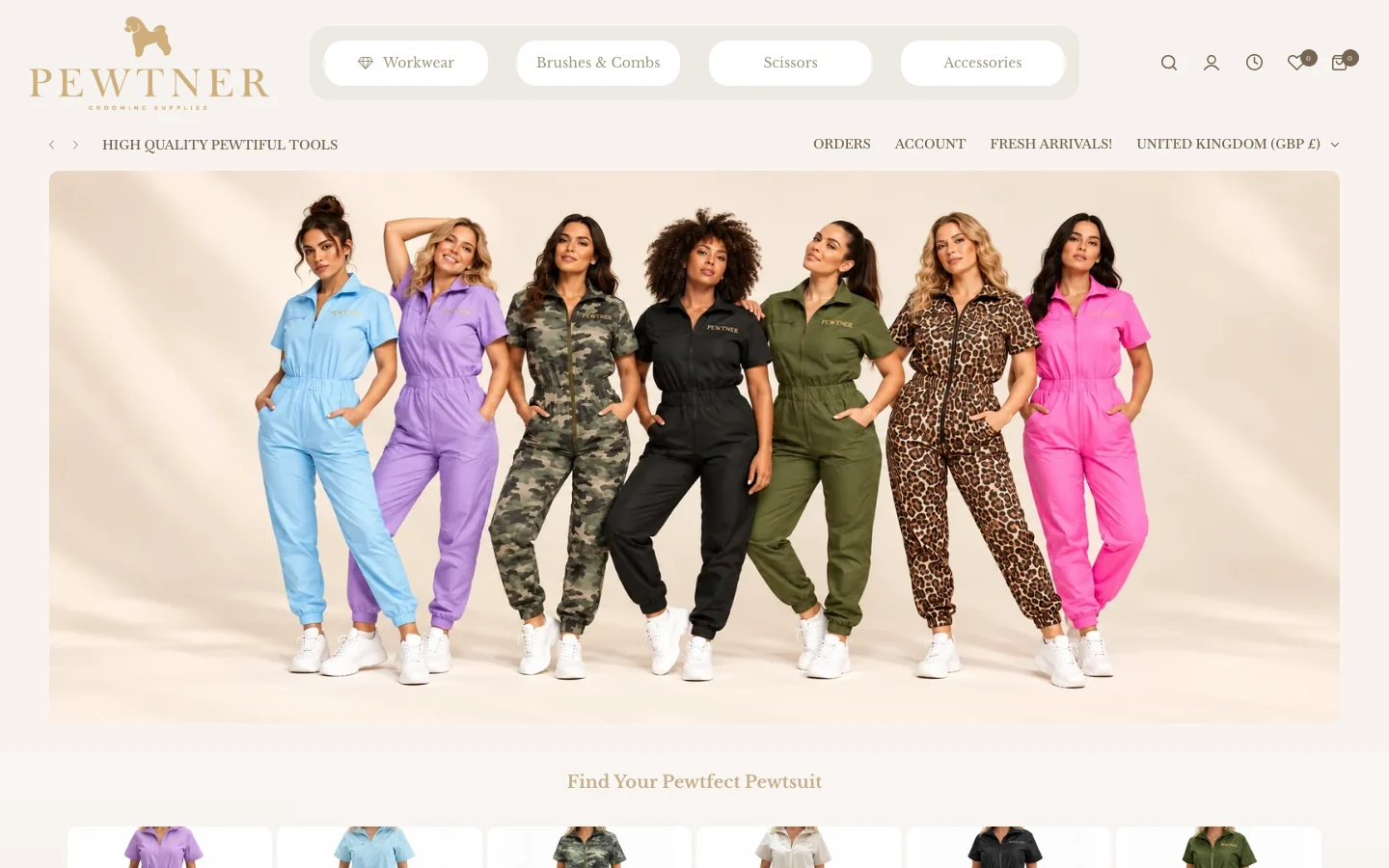
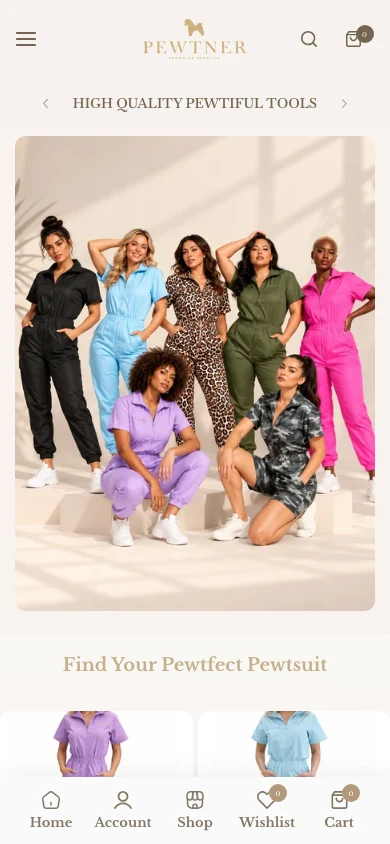
Product copy, landing pages, collection thinking and commercial content support the wider ecommerce and marketing activity.

Location pages should be useful, not a list of town names repeated for search engines. We work with organisations across the wider area and structure the actual project around the audience and commercial requirement.
If your project is more complicated than the questions below, that is usually a good reason to have a proper conversation rather than force it into a package.
Yes. SEO delivery is digital, and we work remotely with businesses across the UK. We do not pretend to have a Bristol office; the page is about the services we provide to Bristol businesses.
Yes. Combining them can be effective because the new site can be designed around search intent, crawlability and conversion from the outset.
Usually the biggest blockers first: indexing and crawl issues, weak commercial pages, poor internal linking, duplicated metadata, slow templates and missing conversion tracking.
Authority matters, but we focus on relevant citations, PR, partnerships and links worth earning rather than bulk low-quality link packages.
SEO is not instant. Timing depends on the current site, competition, authority and the scale of work required. Some technical and on-page improvements can affect visibility relatively quickly, while stronger competitive positions usually build over months.
No responsible SEO provider can guarantee a specific Google position. We can build a stronger technical, content and authority position and measure progress against real search data and enquiries.
Yes. Paid search can capture demand while organic visibility builds, and PPC search-term data can also help us understand which messages and commercial searches deserve stronger landing pages.